
Lafayette, LA · Garage Door Service
What Lafayette's 1983-Median Housing Stock Means for Weather Seals and Drafts
Lafayette's housing stock runs 1966 to 2011, median build year 1983. Here's what the humid, mild-freeze climate does to garage door seals and how to catch drafts early.
- Repairs & new doors
- Springs & openers
- Serving 6 nearby communities
What Most People Get Wrong
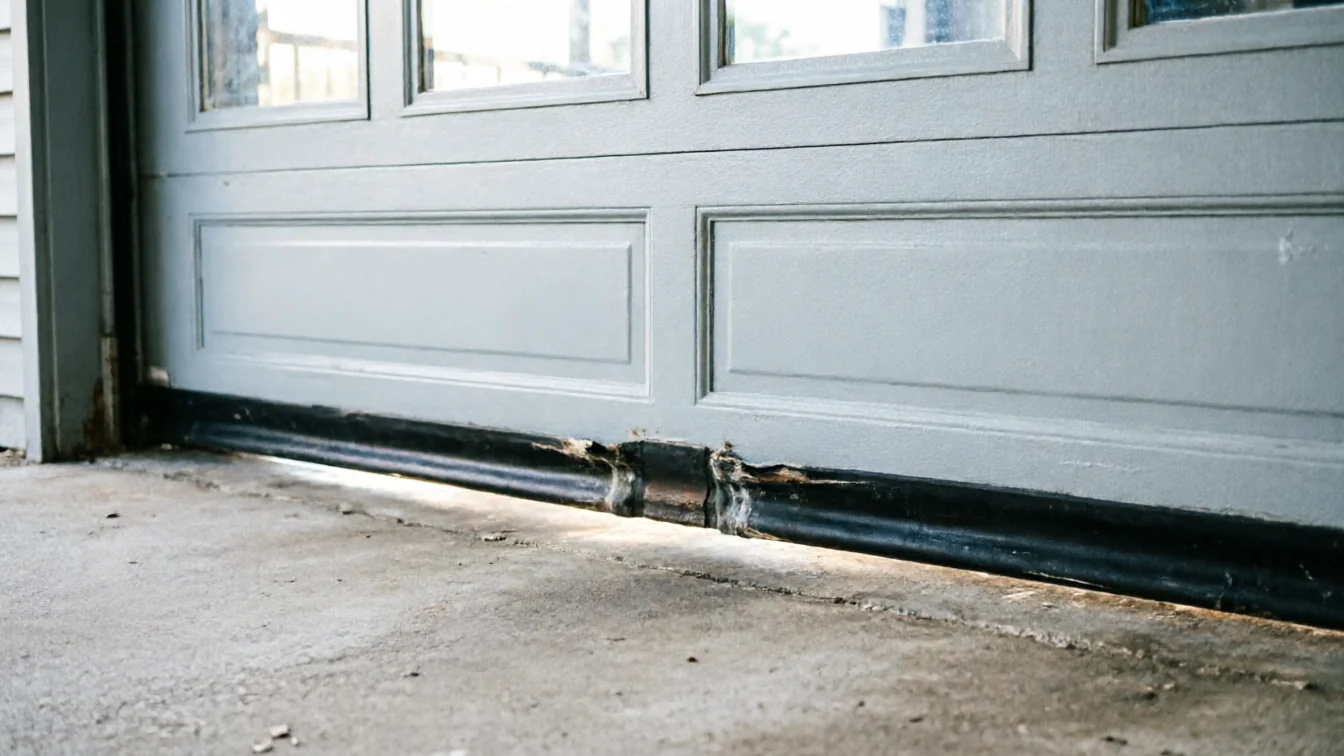
Most homeowners here treat a drafty garage door like a fact of life instead of a maintenance item. It isn't. Housing in this service area went up mostly between 1966 and 2011, with the median build year sitting at 1983 - which means a lot of doors are either original or on their first replacement, and the rubber bottom seal and side weather stripping that came with them are well past their working life. People notice the draft when it's already a visible gap under the door, not when the seal first started going stiff and cracking at the corners. By the time you can see daylight at the bottom corner, the seal has usually been letting in air and bugs for a year or two already. The fix at that stage is still a cheap one - a new bottom astragal and side seals - but a lot of folks skip it because the door still opens and closes fine, so nothing feels broken. Across the 21 named areas in this part of Acadiana, the housing stock leans heavily 1980s and 90s, so this isn't a problem unique to one street - it's the seal on nearly every third garage door built in that window.
What the Weather Here Does to It
This area sits in a mild climate band with occasional freeze mornings, not the hard freeze-thaw cycles that crack concrete aprons or snap torsion springs up north. What gets your seals here is humidity and UV, not ice. Rubber weather stripping on a door that's faced 30-plus years of Louisiana humidity swings, then baked in direct sun part of the day, goes brittle and starts pulling away from the track long before it would in a drier, colder climate. The occasional frost morning adds a little stiffness to an already brittle seal and that's usually the day you notice the draft, even though the seal did the real damage to itself months earlier in the heat. With median household income in the area around $49,419, a lot of owners put off the $30-in-parts fix for a season or two, and that's a reasonable call - it just means the gap gets a little wider, and a little colder air gets in, each winter it goes unaddressed.
When to Get Help
If your house falls in that 1966-1983 build range, or you're seeing a visible light gap along the bottom or sides of the door, that's worth a look before it gets worse. Out toward Scott, Judice, and Broussard, where a lot of homes share that same mid-century-to-80s build era, the pattern is the same: seals go first, then the bottom panel starts to show rust where moisture has been sitting against it. If the door is sagging unevenly, or the gap is wider on one side than the other, that's past a simple seal swap - it usually means the track or roller on that side needs attention too. A door that still opens smoothly but leaks air at the bottom is a straightforward fix. A door that's visibly crooked or scraping the frame needs someone to look at the hardware, not just the rubber.
The Problem
Here's the honest part: a new bottom seal won't save a door where the steel panel itself has started to rust through from decades of humidity sitting against a worn seal. That's a replacement job, not a repair, and there's no way around it once the metal's gone. Across the roughly 28,273 owner-occupied houses in this service area, a good share are old enough that this is coming up more often, not less. If your door was part of that first wave built between 1966 and the early 1980s and it's never had the seals replaced, there's a decent chance you're looking at panel condition, not just weather stripping, by the time someone gets eyes on it. We'll tell you straight which one it is before any work starts - a $40 seal job doesn't need to turn into a door replacement sale, and a rusted-through panel shouldn't get patched with a seal and sent on its way.
Frequently asked questions
Why does my garage door let in a draft even though it still opens fine?
The seal and the opener mechanism are separate problems. A lot of doors in this area date to the 1970s-90s, and the rubber weather stripping breaks down from humidity and sun years before the springs, tracks, or opener show any wear. The door can run perfectly and still leak air at the bottom or sides.
Does the occasional freeze here actually damage garage doors?
Not the way it does in colder climates. This area sits in a mild band with only occasional frost mornings, so you're not dealing with freeze-thaw cracking. What actually wears out seals here is long-term humidity and UV exposure, with a frosty morning just making an already brittle seal more obvious.
How do I know if it's just the seal or something more?
Look at the gap. Even daylight along the bottom edge is usually just a worn seal - cheap to fix. A gap that's wider on one side, a door that scrapes the frame, or visible rust on the bottom panel means the track, roller, or panel itself needs a look, not just new weather stripping.
Related garage door services in Lafayette
More garage door guides
Book garage door service in Lafayette
Call now or request a quote - tell us what the door is doing and where you are.